How a Family Dentist Provides Gum Disease Treatment
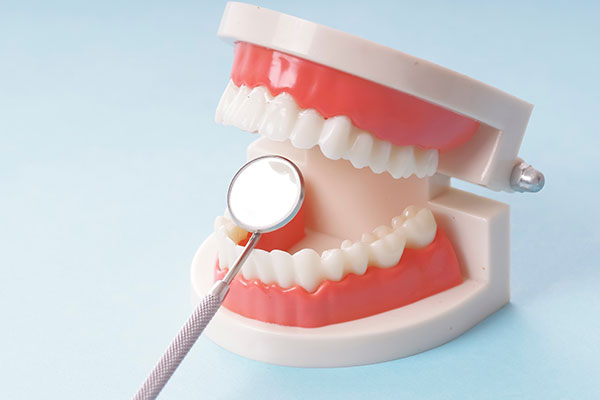
Gum disease treatment can restore health to the smile. A family dentist — who often provides cosmetic services in addition to general dental care — offers targeted solutions based on the severity and progression of gum disease. Early detection and prompt intervention can halt or reverse the condition. Exploring how family dentists treat gum disease can help you take the first step toward healthier gums and a more confident smile.
Assessing gum disease progression
Gum disease is often classified in stages: gingivitis (mild), periodontitis (moderate), and advanced periodontitis (severe). Gingivitis typically brings gum redness, swelling, and bleeding, but it can be reversed with prompt treatment. On the other hand, periodontitis can lead to the breakdown of the jawbone and connective tissues that support the teeth. Identifying the stage of the condition helps a family dentist deliver the correct gum disease treatment.
During a routine dental visit, a family dentist examines the gums for signs of inflammation, bleeding, and pocket depth around the teeth. They will also take dental X-rays to look for bone loss in the jaw, a sign of advanced periodontal disease. The initial evaluation process further includes reviewing the patient's history, oral hygiene habits, and potential contributing factors. Smoking, diabetes, and pregnancy are common examples of the latter. A comprehensive approach allows the dentist to tailor treatment strategies that address both the symptoms and the underlying causes.
Types of gum disease treatment
There are several forms of gum disease treatment, and a family dentist selects the method that best suits the patient’s current condition. Scaling and root planing, a non-surgical deep cleaning procedure, is often the first line of treatment for mild to moderate cases. To perform this treatment, the dentist removes plaque and tartar from below the gum line and smooths the roots of the teeth, making it easier for the gums to reattach to them. Combined with better oral hygiene at home, this may be sufficient to reverse gingivitis or halt the progression of periodontitis.
However, in more advanced cases, the dentist will likely need to deliver additional gum disease treatments. These may include:
- Localized antibiotic therapy to target bacteria beneath the gums
- Laser treatment to remove infected tissue with precision
- Periodontal surgery to reduce deep gum pockets or regenerate bone tissue
Treatment plans may be combined for more effective results. For example, scaling and root planing may be followed by the application of localized antimicrobials to eliminate any remaining bacteria. The dentist will provide clear follow-up instructions and recommend regular check-ins to monitor healing and prevent recurrence.
Book an appointment for gum disease treatment today
Gum disease treatment is most effective when started early, and a family dentist is the ideal partner in providing personalized gum care. Whether addressing mild gingivitis or managing advanced periodontal disease, they can guide you through every phase of treatment. Achieve healthier gums, stronger teeth, and a smile that lasts a lifetime with the help of our team at {{DBA}}.
Request an appointment here: https://www.canarsiedentalbrooklyn.com or call Canarsie Dental Office at (718) 709-3885 for an appointment in our Brooklyn office.
Check out what others are saying about our dental services on Yelp: Gum Disease in Brooklyn, NY.
Related Posts
Gum disease helps maintain healthier gums by reducing infection-causing bacteria and helping the tissues reattach more securely around the teeth. Gum disease often begins with mild symptoms, but it can progress silently and significantly impact overall oral health. Our dentist can evaluate the severity of your gum disease and develop a structured plan to halt…
A general dentist does more than routine dental treatments like teeth cleanings during checkups. They also screen their patients for issues like oral cancer. Cancer is an out-of-control growth of cells that invade and damage healthy tissues around them. Oral cancer typically manifests as a sore or growth that develops in the mouth that does…
During a dental visit, it would be a good idea to get an oral cancer screening to see if you are at risk of developing oral cancer. According to the National Institutes of Health (NIH), about 49,700 people in the United States are diagnosed with oral cancer every year. Getting screened for this disease will…
Do you feel self-conscious about your smile because of excess gum tissue? A professional evaluation with a cosmetic dentist can provide clarity and open the door to treatments that restore your facial symmetry. Cosmetic dentists can transform a gummy smile to improve the balance between your teeth and gums, helping you achieve a confident, natural…